It's a Scroll World After All, Part 2: The Readers Before Us
What I learned from the people who tried to read the Herculaneum scrolls before us
In part one I made a fake scroll in an air fryer. This one is about reading.
When you're stuck on a problem long enough, you start wondering who else was stuck on it. Model training takes hours, so while the GPU worked I went looking for them. It turns out people have been trying to read these scrolls since the 1750s. Some of them wrote books about it. Some of them left drawings. One of them spent six years on a single notebook and then gave a talk about how often he was wrong.
Here's what I learned from them.
Graecum est, non legitur
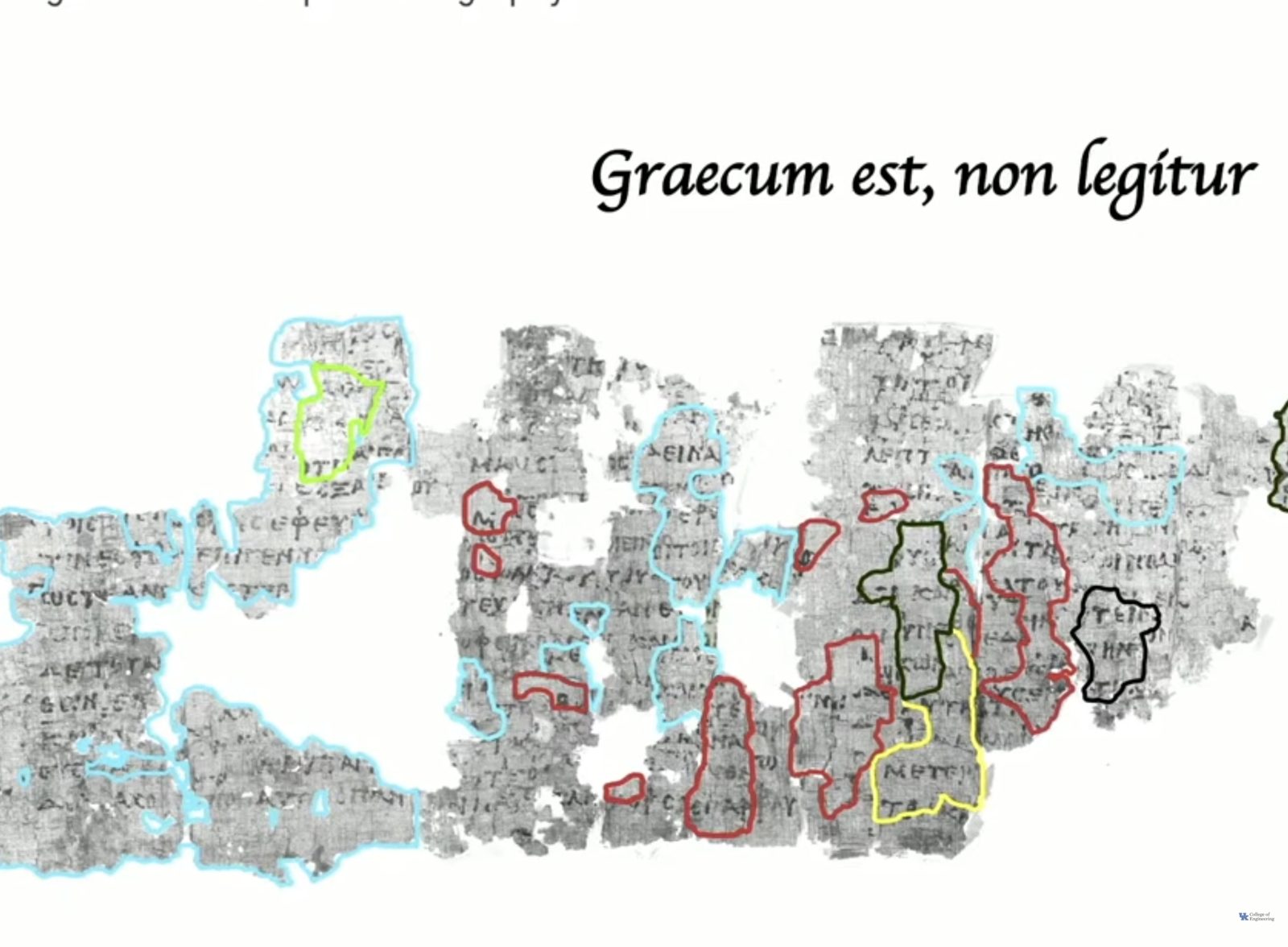
Graecum est, non legitur: "It's Greek, it can't be read." Medieval scribes wrote it in the margin when they hit a Greek passage they couldn't copy, and it's where "it's all Greek to me" comes from.
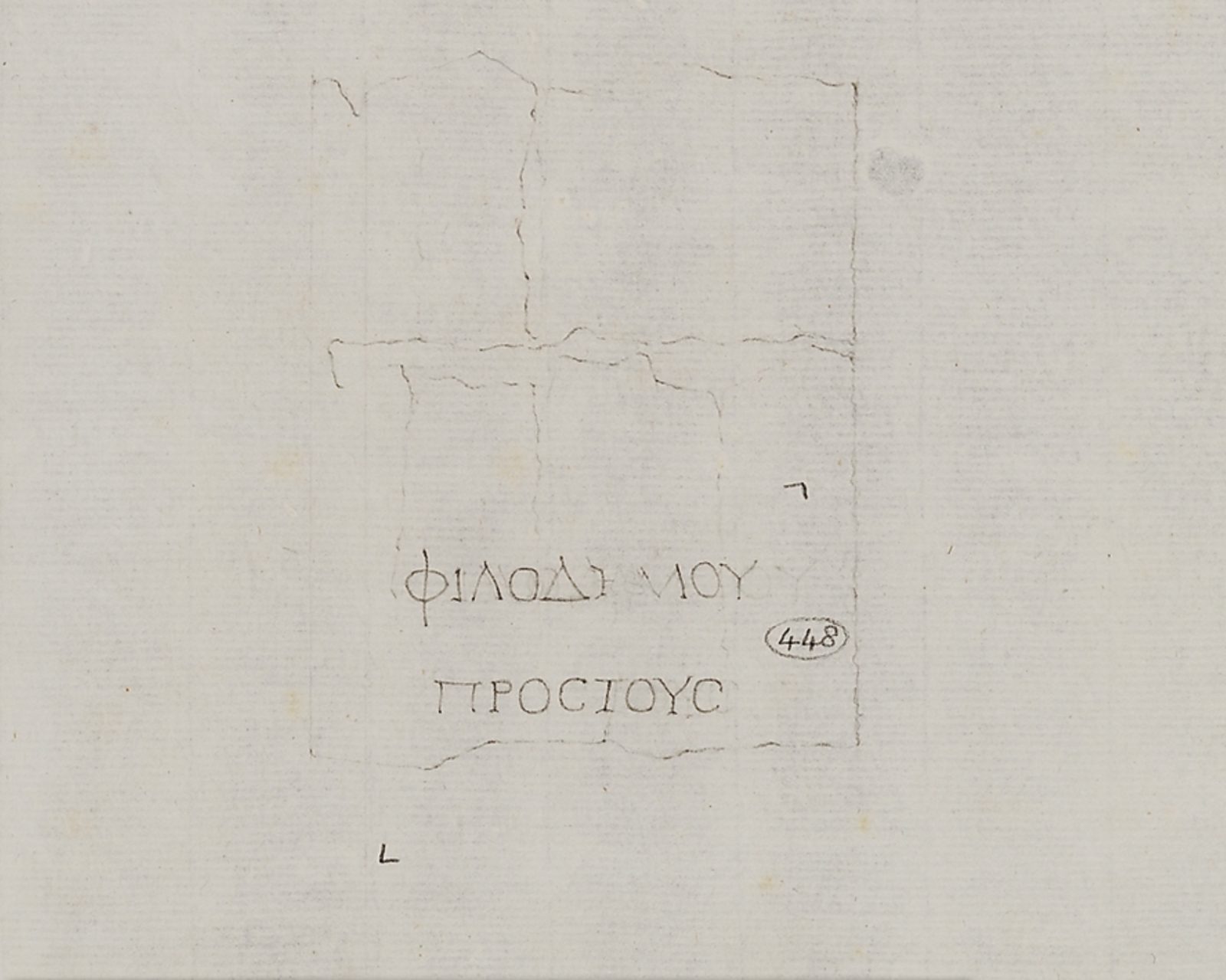
I can't read ancient Greek either. So I did what anyone would do and pointed Google Lens at a drawing of a Philodemus title.
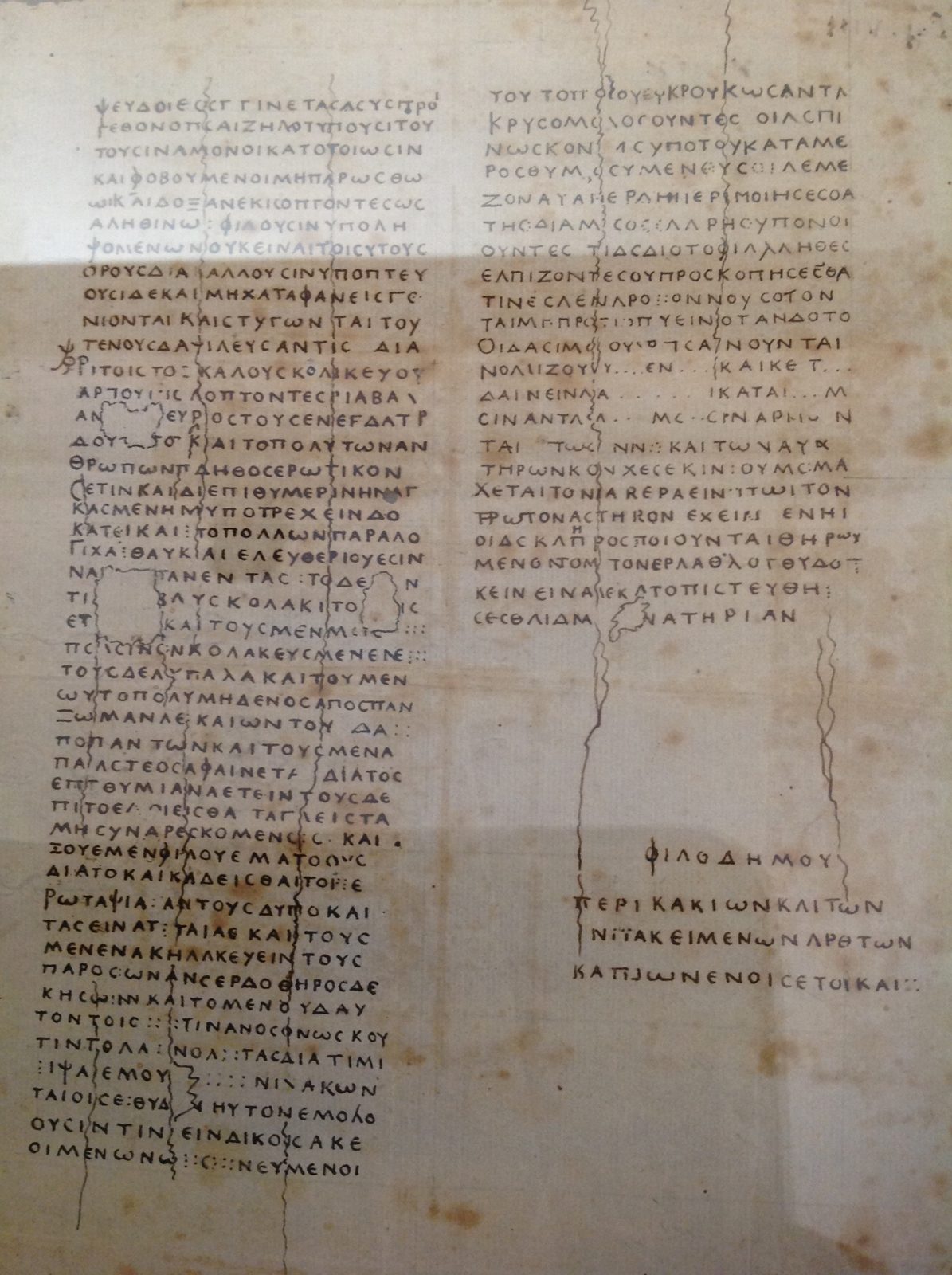
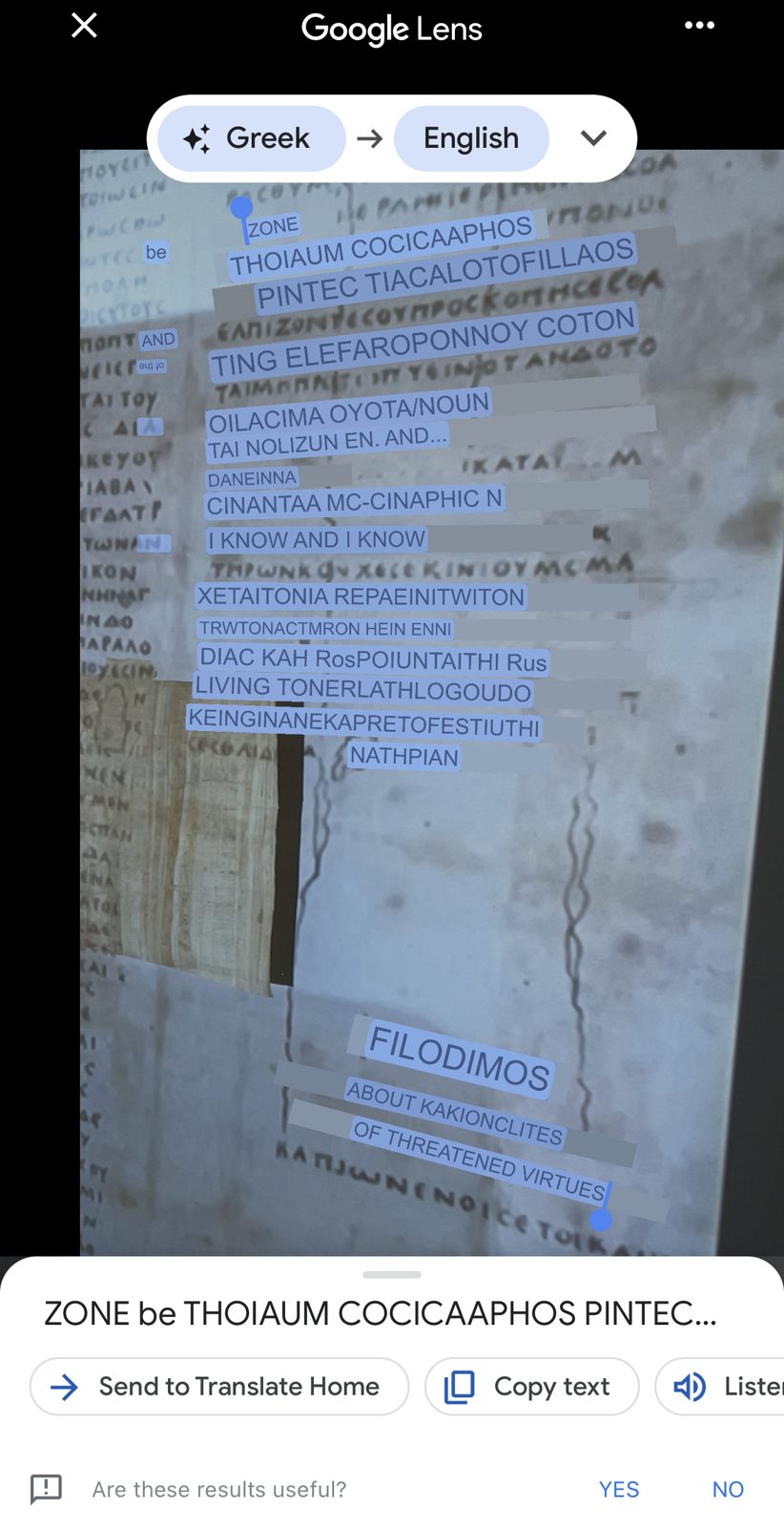
"FILODIMOS ABOUT KAKIONCLITES OF THREATENED VIRTUES."
Honestly, not bad. It got the author, "about", and "virtues". The rest was "ZONE be THOIAUM COCICAAPHOS PINTEC TIACALOTOFILLAOS", which I'd like to think is also an ancient philosopher.
"Quite third-rate in character"
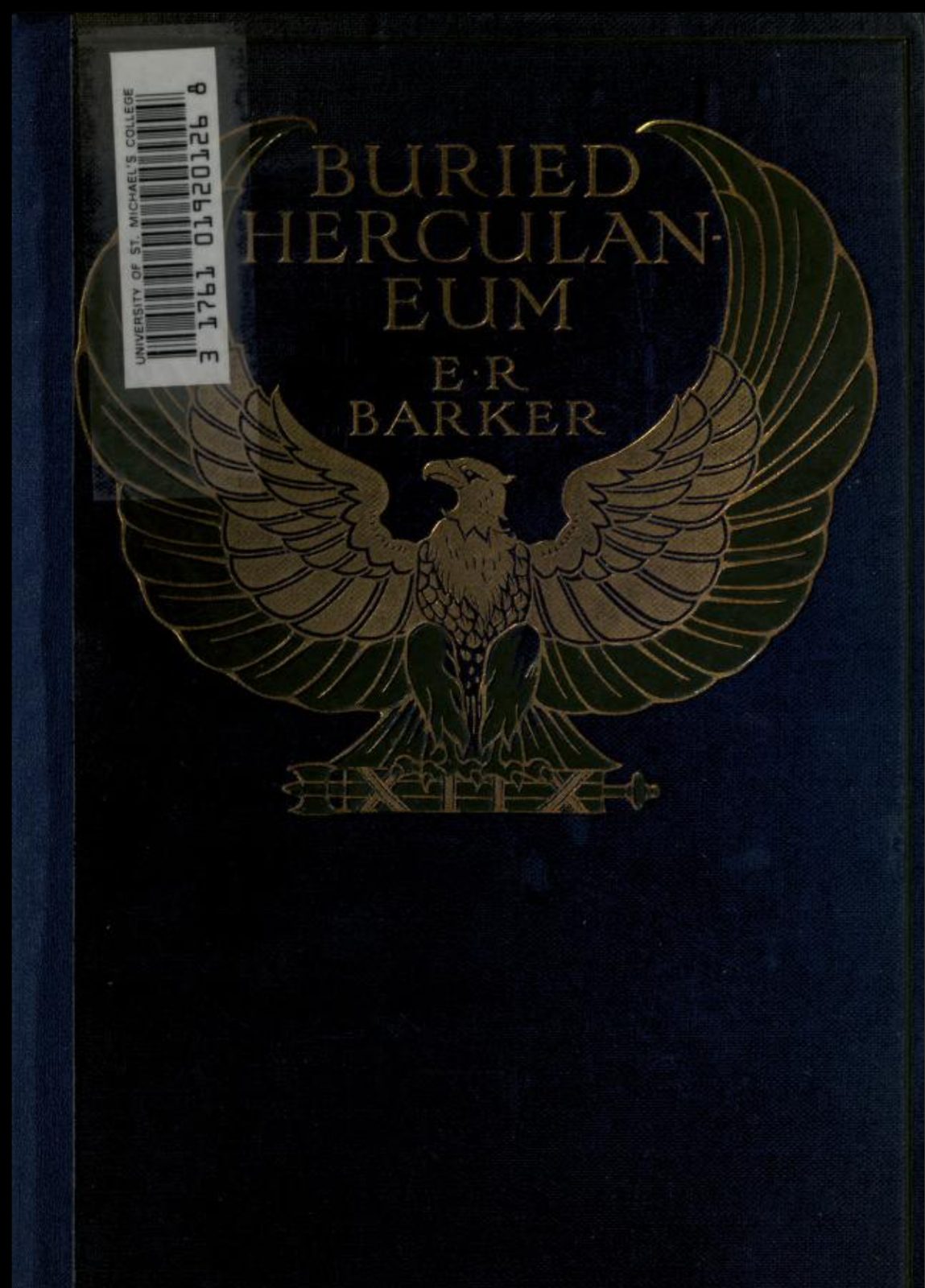
The first old book I read was Buried Herculaneum, from 1908. I was expecting reverence. What I got was this:
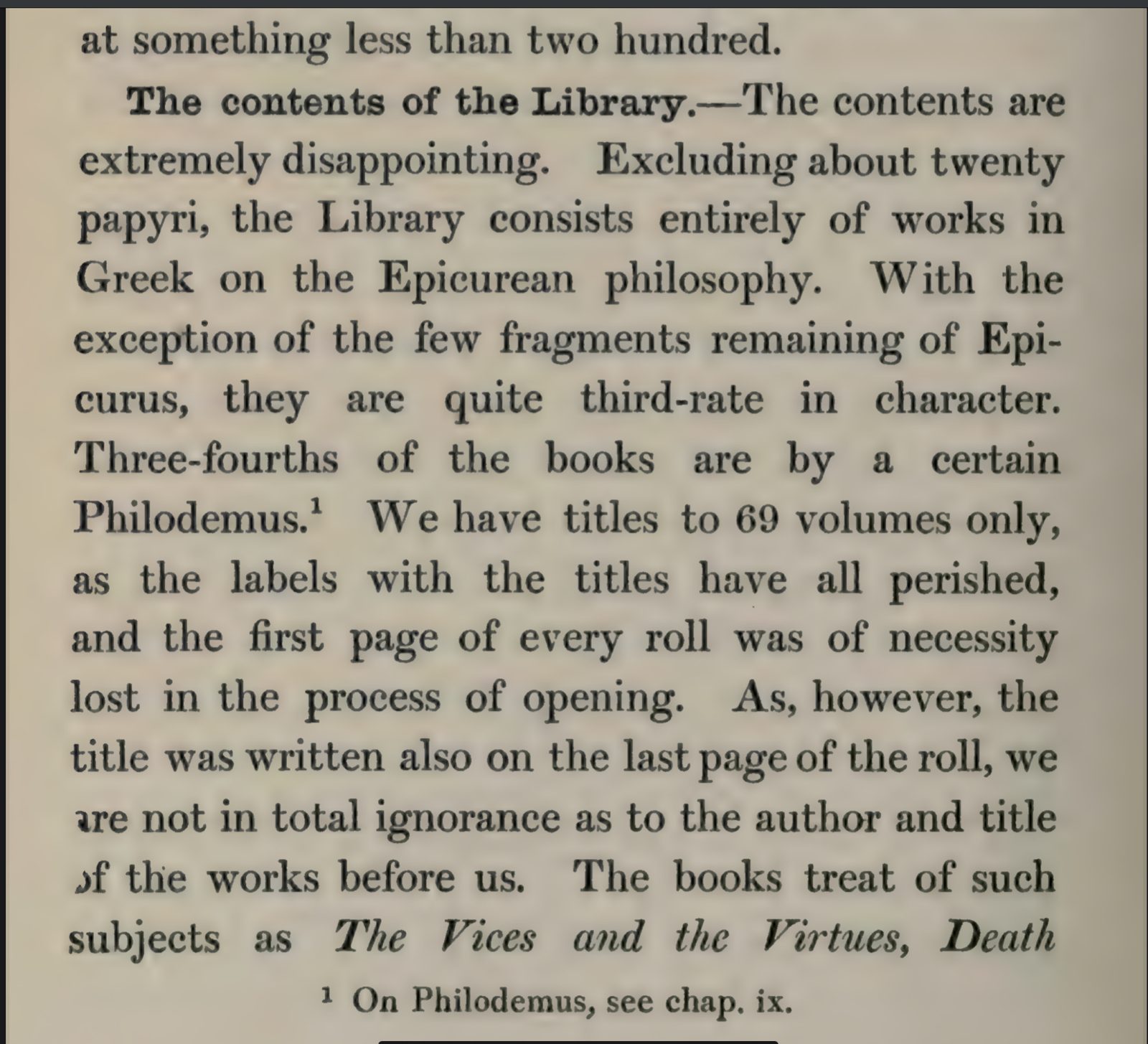
The contents are extremely disappointing. Excluding about twenty papyri, the Library consists entirely of works in Greek on the Epicurean philosophy. With the exception of the few fragments remaining of Epicurus, they are quite third-rate in character. Three-fourths of the books are by a certain Philodemus.E. R. Barker, Buried Herculaneum (1908), p. 118
"A certain Philodemus." That's the man whose writing a whole community of us were spending our nights trying to read off X-rays.
It made me laugh. Then it kind of stung, because I'd been half-thinking it myself. A note from January 2024:
It's nice to hear someone else just say it.
It's underwhelming.
The Herculean scrolls, the Dead Sea scrolls.
Sound like planted props.
Integral plot moving devices.
Unlock more content.
And from August, when I was deep in Scroll 1 looking for its title:
Most of Philodemus's work is for
Everyone, Epicureanism, everywhere, forever.
Like I could generate it myself if I wanted to.
It's based on common human prompts.
What I wanted was proper nouns. Names, places, dates, who did what to whom. Philodemus's patron was Julius Caesar's father-in-law. Imagine if Caesar turned up in a footnote.
But I've come round on "third-rate". The most famous letter from ancient Mesopotamia is a complaint about bad copper. Nanni writes to a merchant called Ea-nasir to say the ingots were rubbish and he's been treated with contempt. Nobody saved it because it was profound. It's loved because it's ordinary. We have endless monuments and almost nobody's day-to-day voice.
Philodemus is a day-to-day voice. A Greek philosophy teacher living off a rich Roman, writing lecture notes and arguing with the Stoics. That isn't third-rate. It's the bit history usually throws away.
And some of it is genuinely good. A 1938 article on his On Music quotes him arguing that a tune has no more moral character than cooking does:
For music is not an imitatory art, as some people fondly imagine, nor does it, as this man says, have similarities to moral feelings… any more than cookery.Philodemus, On Music IV, quoted in L. P. Wilkinson, "Philodemus on Ethos in Music", Classical Quarterly (1938)
Before this project, "epicurean" made me think of a lifestyle magazine in a waiting room. Professionally lit kitchen counters. Gourmet food. It's a little funny that the actual Epicurean in the room is the one saying music matters about as much as cookery.
The title is at the end
One line in Barker explained something I'd been confused about for months:
We have titles to 69 volumes only, as the labels with the titles have all perished, and the first page of every roll was of necessity lost in the process of opening. As, however, the title was written also on the last page of the roll, we are not in total ignorance as to the author and title of the works before us.
A scroll is rolled from the end, so the beginning is on the outside, where it got the worst of the heat and was the first thing to crumble when anyone tried to open it. The end is wrapped up safe in the middle. And the scribe wrote the title there, at the end. That's why the Scroll 1 title hunt meant segmenting the innermost wraps, the ones that are tightest and hardest to follow.
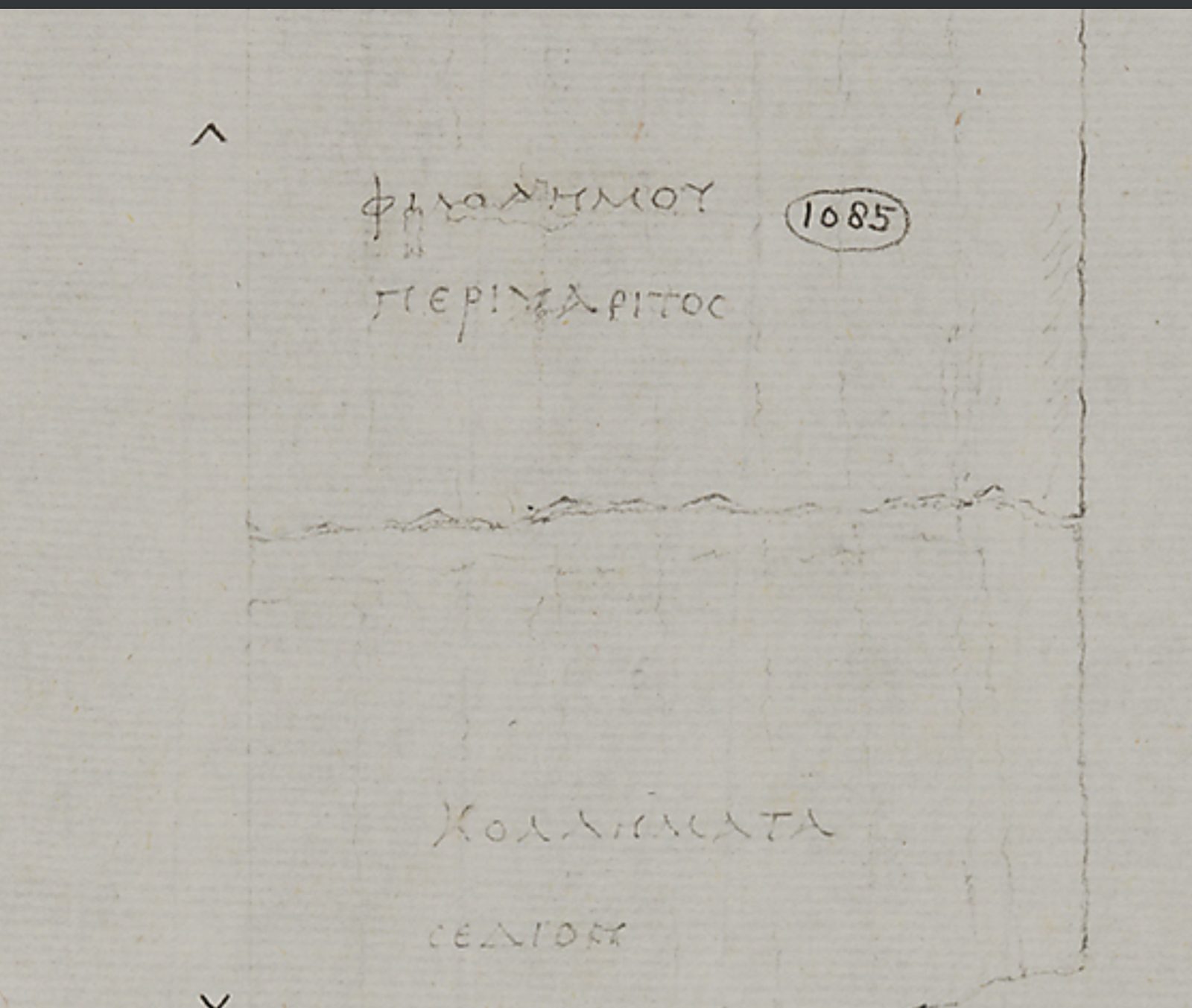
The title isn't the only thing down there. Under some titles the scribe added a count: kollemata, the number of sheets glued together, and selides, the number of columns. It's like a page count at the back of a book, or the total on a receipt.
I worked this out the slow way. One end title I copied into my notes says σελίδες ἑκατὸν δέκα ὀκτώ. The translation came back as "pages per the eighth", and I spent an evening multiplying 14 × 8 trying to make it mean something. It means one hundred and eighteen columns. The scroll tells you how long it is. I'd been trying to estimate that with a roll calculator and a Maya spiral.
Six rolls to Napoleon
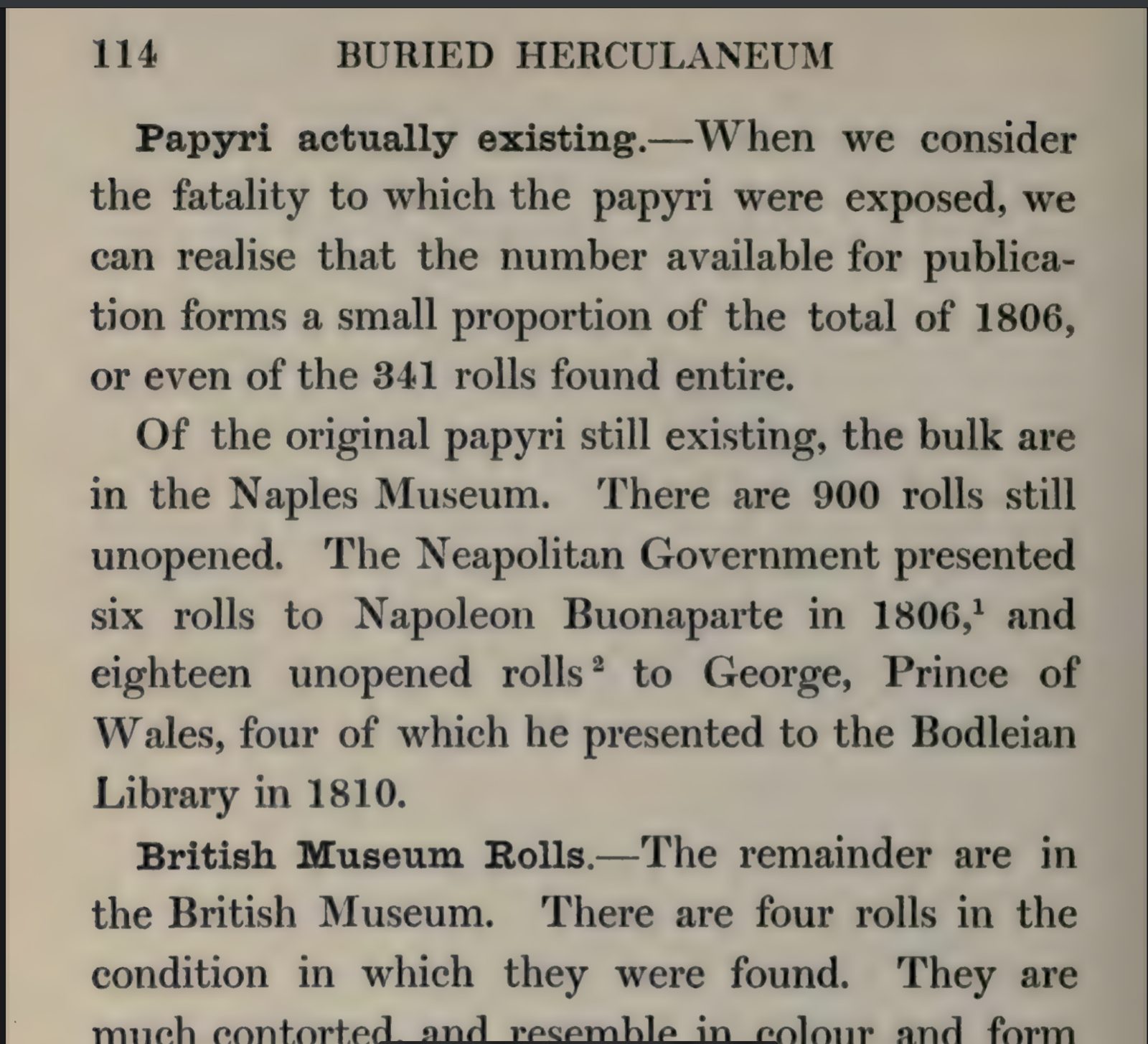
This page is where it clicked for me that the scrolls I was working on had their own history.
The scrolls were diplomatic gifts. Naples gave six rolls to Napoleon and eighteen unopened ones to the Prince of Wales, who passed four of them on to the Bodleian in Oxford in 1810. In 1908 there were still 900 unopened rolls in Naples.
Scroll 1, the one I spent the most time in, is officially PHerc. Paris. 4. It's in Paris because of that gift to Napoleon. And Scroll 4 is PHerc. 1667, one of the ones that stayed in Naples. The file names I was typing into Docker every night were two hundred years of provenance.
The first labourers
Once a scroll was opened, someone had to copy it before it fell apart, and it nearly always did fall apart. So for every column there's often a pencil drawing, made in the early 1800s by artists sitting next to the papyrus with a lens.
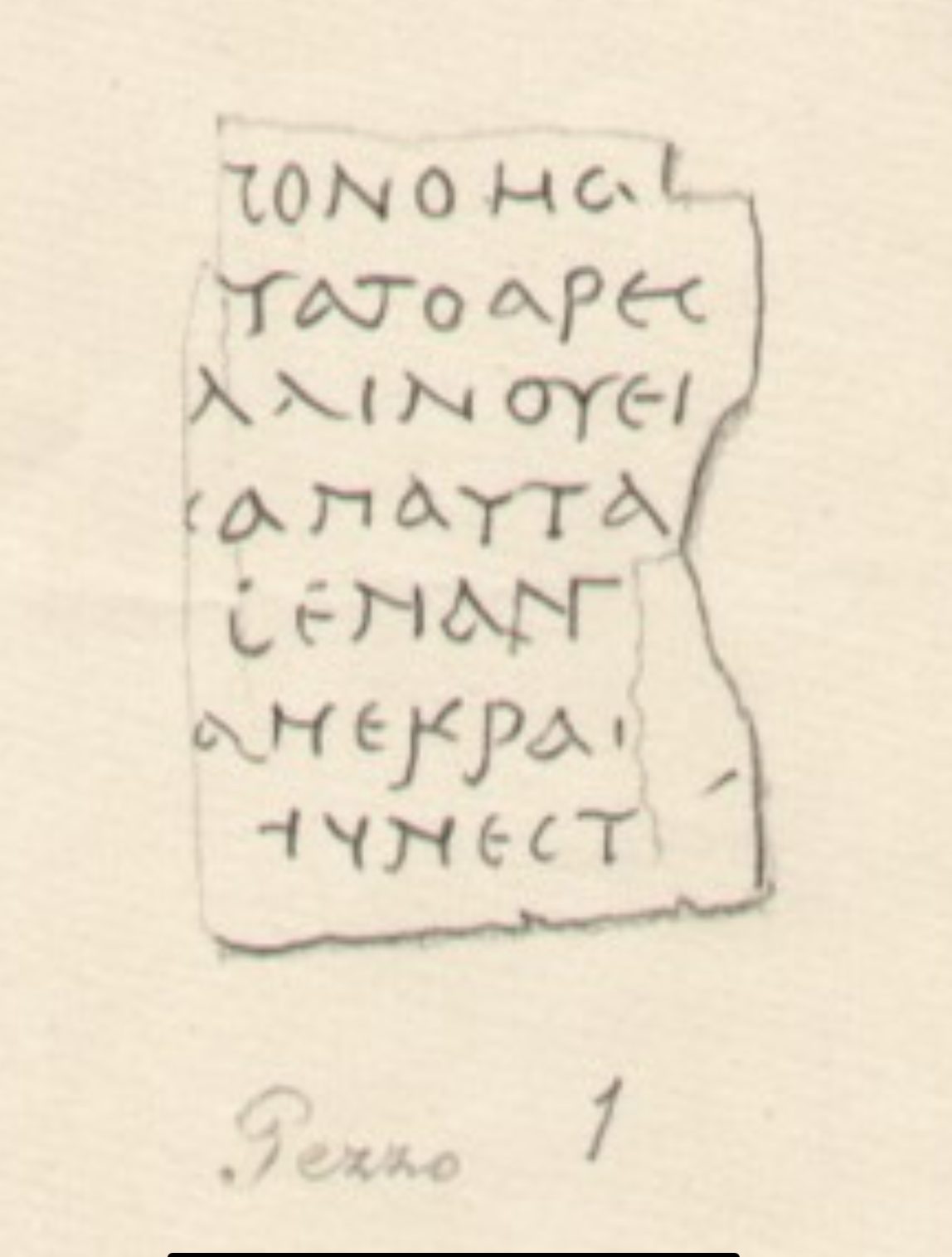
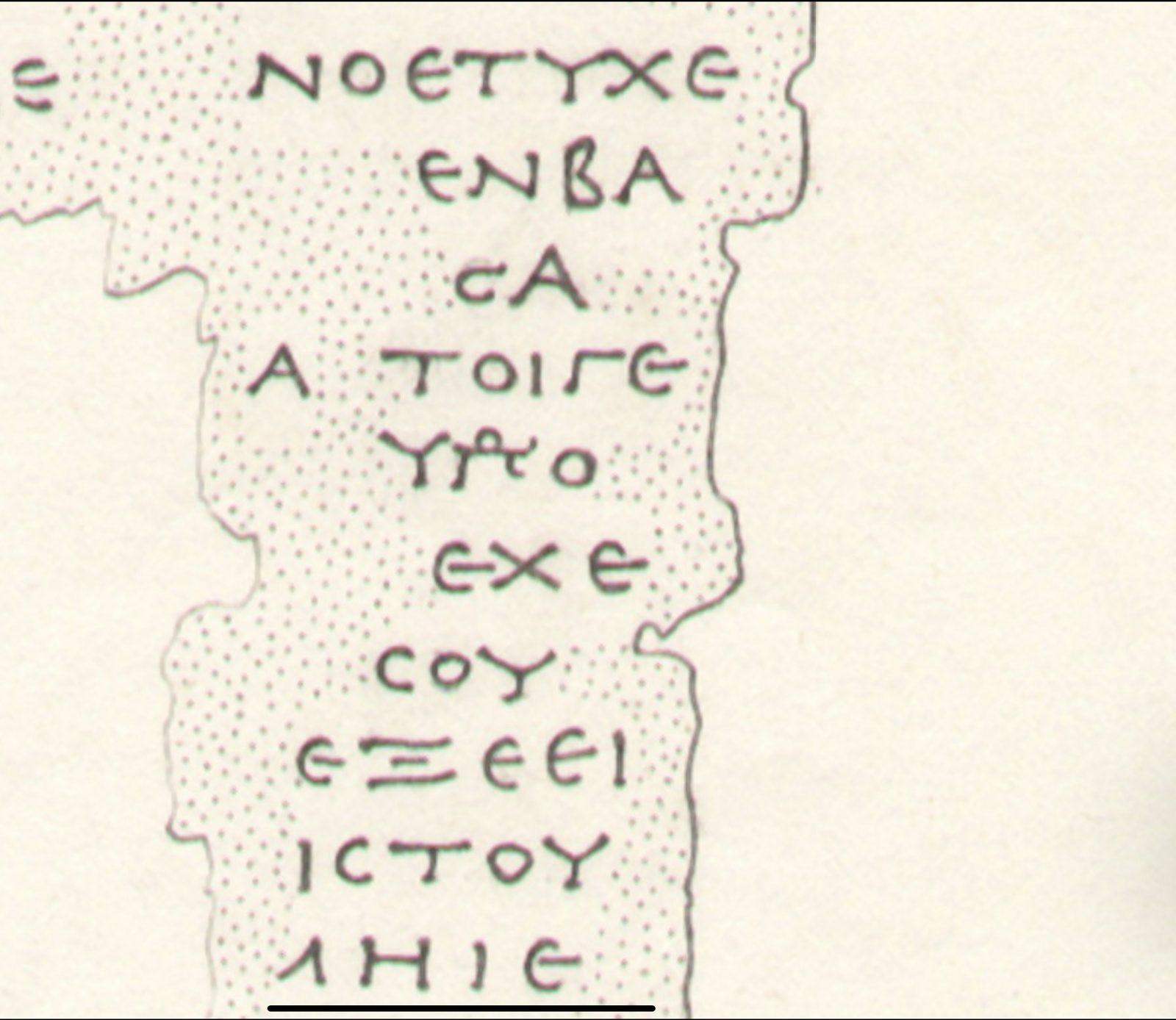
Look at the one on the right. The artist stippled the papyrus surface and drew the letters solid. They're showing you where the ink is and where it isn't. That's a hand-drawn ink mask, and an ink mask is exactly what I was making in Photoshop to train my model, two centuries later.
The drawings went to Oxford too. In 1802 the Prince of Wales paid for a team to go to Naples and copy what had been opened. Those drawings are online now, and for some scrolls they're all that's left.
Barker doesn't think much of how these were published. The engravings were "marred by many inaccuracies", the first edition took forty years, and the second "show[s] no advance whatsoever". But then she says this, which I've thought about a lot since:
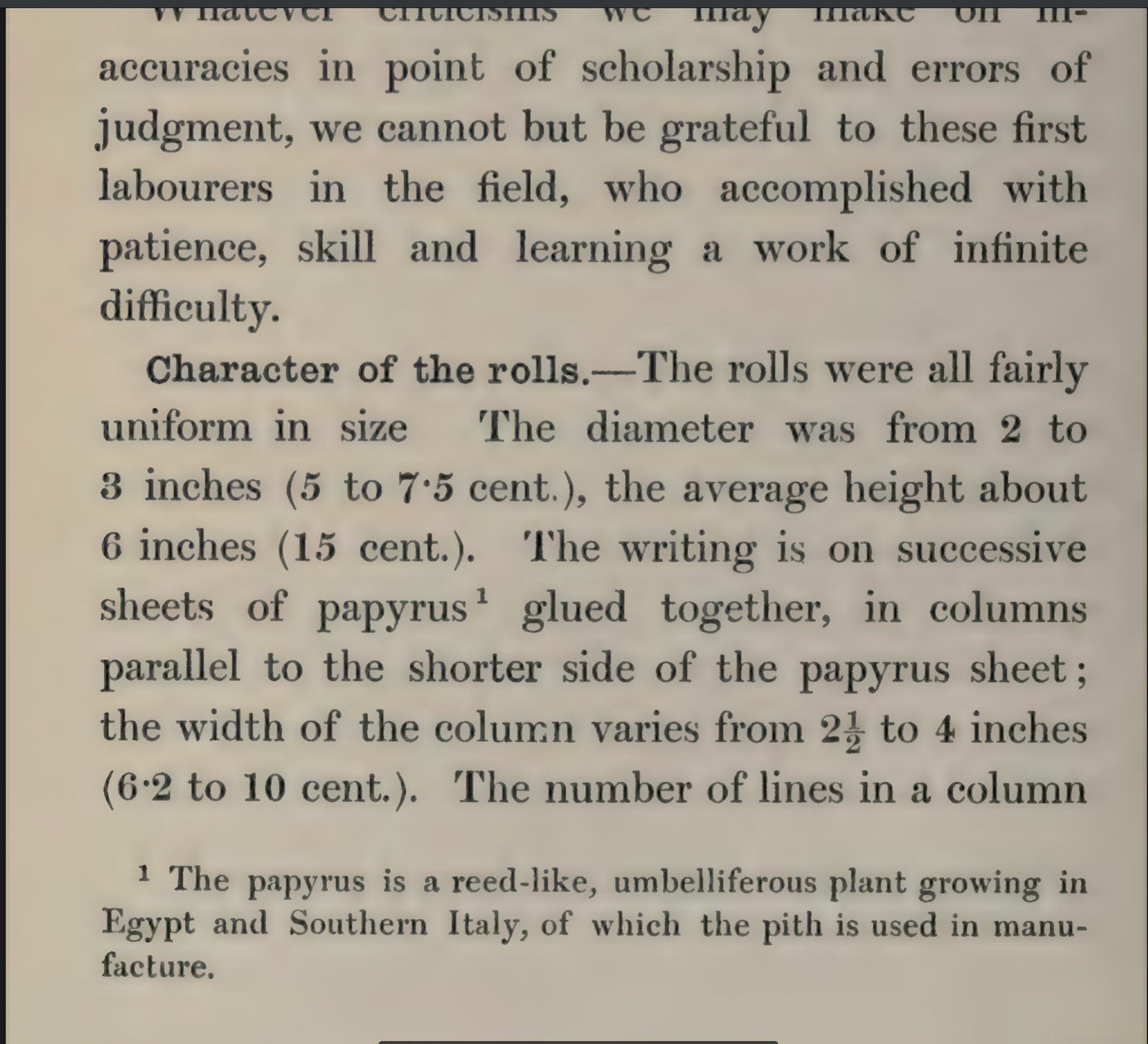
Whatever criticisms we may make on inaccuracies in point of scholarship and errors of judgment, we cannot but be grateful to these first labourers in the field, who accomplished with patience, skill and learning a work of infinite difficulty.
The drawings even helped me personally. The first word ever read from inside a sealed scroll was "purple", in 2023. When I searched papyri.info for ΠΟΡΦΥΡΑΙ in Philodemus's published texts, I got exactly one hit: On Poems Book 1, from a plate engraved in 1846–47 by Vincenzo Corazza. One of those first labourers.
Holes, not ink
The modern papyrologists turned out to be the most useful of all, because they've been fighting the same problems as the machine learning crowd for decades, with their eyes.
In 1999 a team photographed the opened fragments in infrared. Same scroll, two wavelengths:
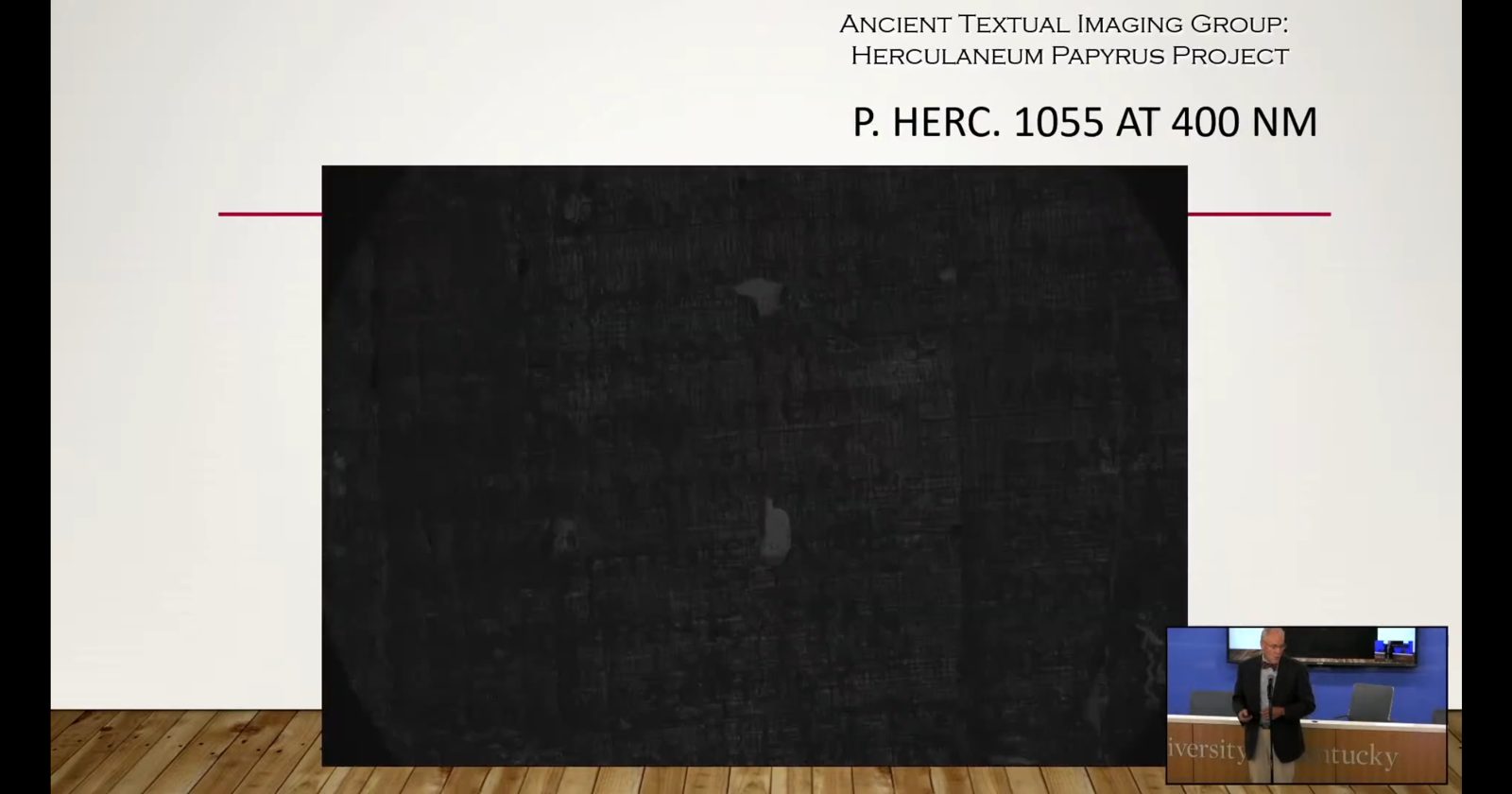
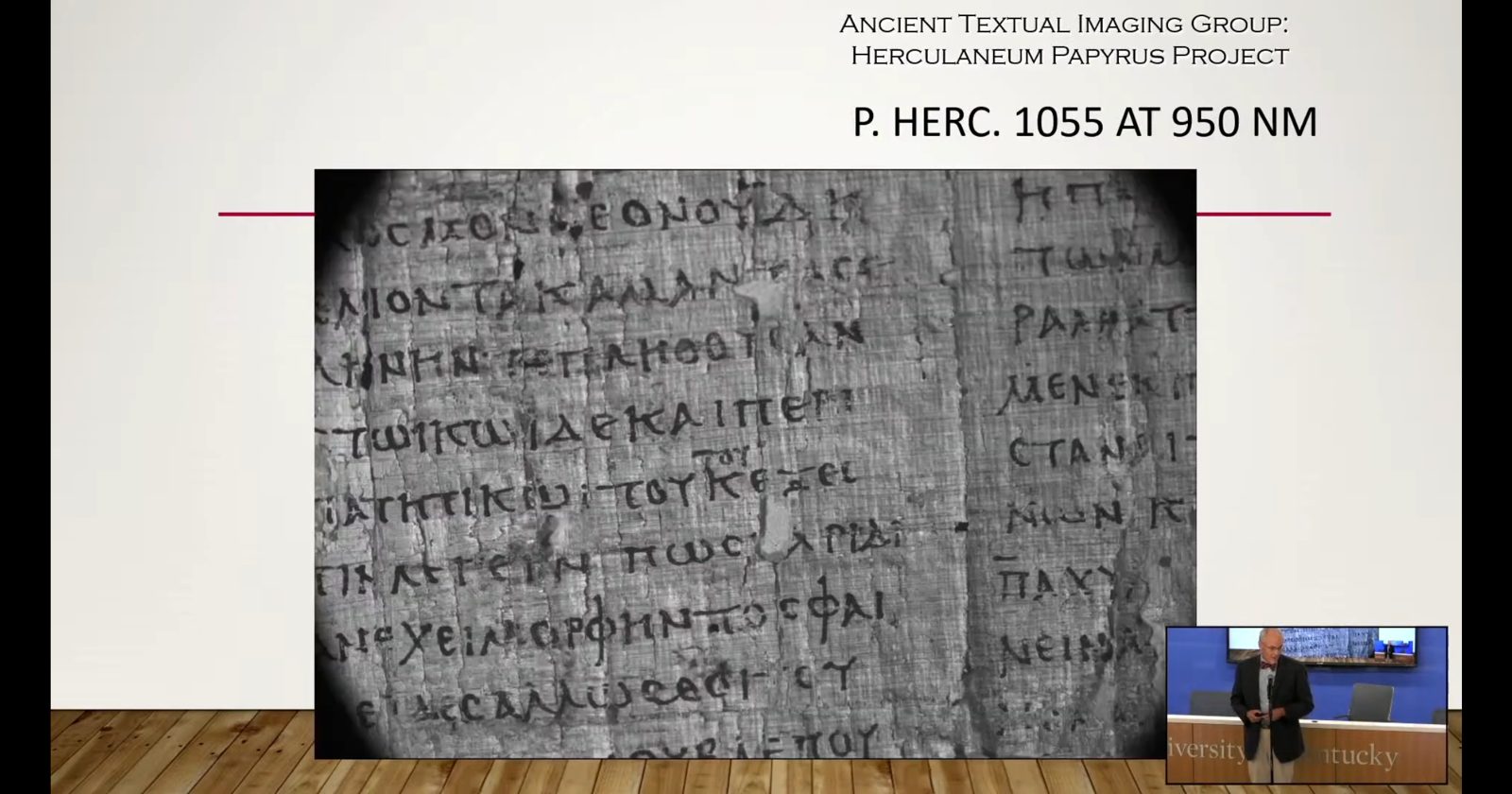
In visible light it's black on black. In infrared the ink pops out. That's the same carbon-on-carbon problem I ran into with my air-fryer scroll, solved for the open fragments a quarter of a century ago. The sealed ones are the same problem with an extra dimension added.
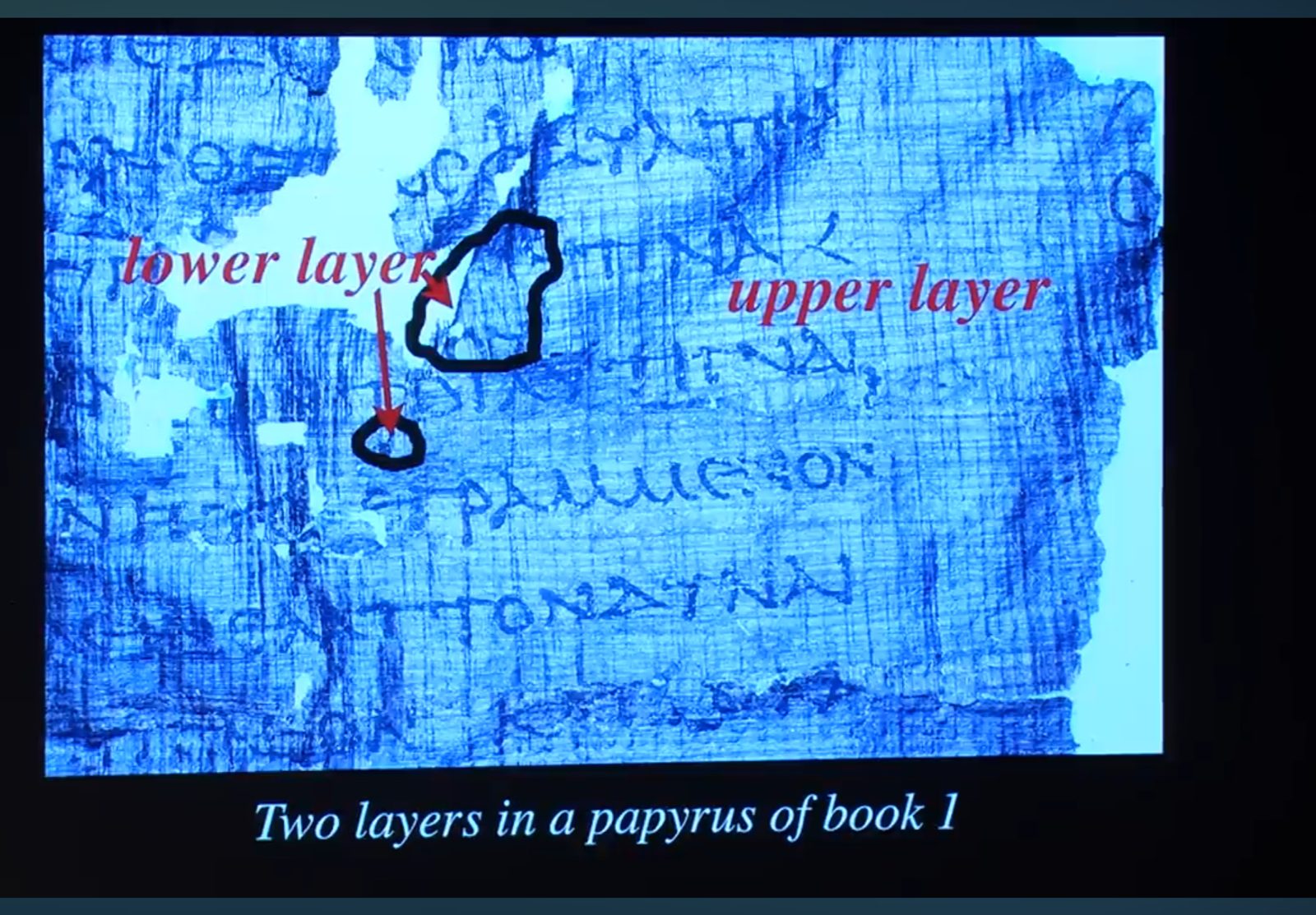
Then I watched a lecture at the Getty by a papyrologist who'd spent years on one of Philodemus's books, and almost every slide was something I'd hit myself.
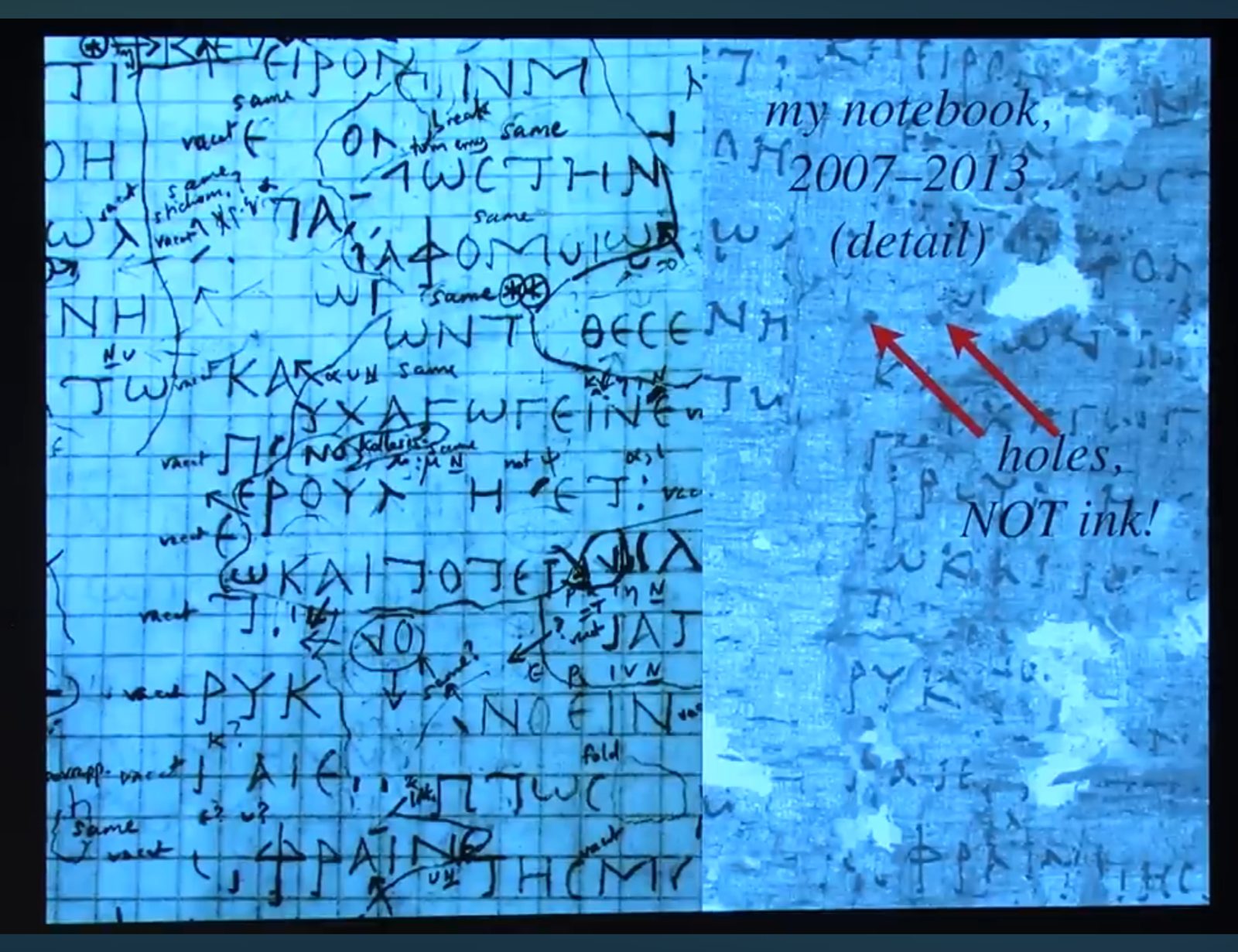
Holes, not ink. I'd learned the same thing with my backlit papyrus in part one: a lot of what looks like writing is just the papyrus. He'd hand-labelled the false positives, exactly what I was trying to do with "not-ink" masks for my model.
Two layers. Bits of the layer underneath stick to the layer on top, so you're reading two pages at once. That explained a note I wrote in September 2024 and never answered: why do some letters in the scans show up dark and some bright? Some of them are the back of the page.
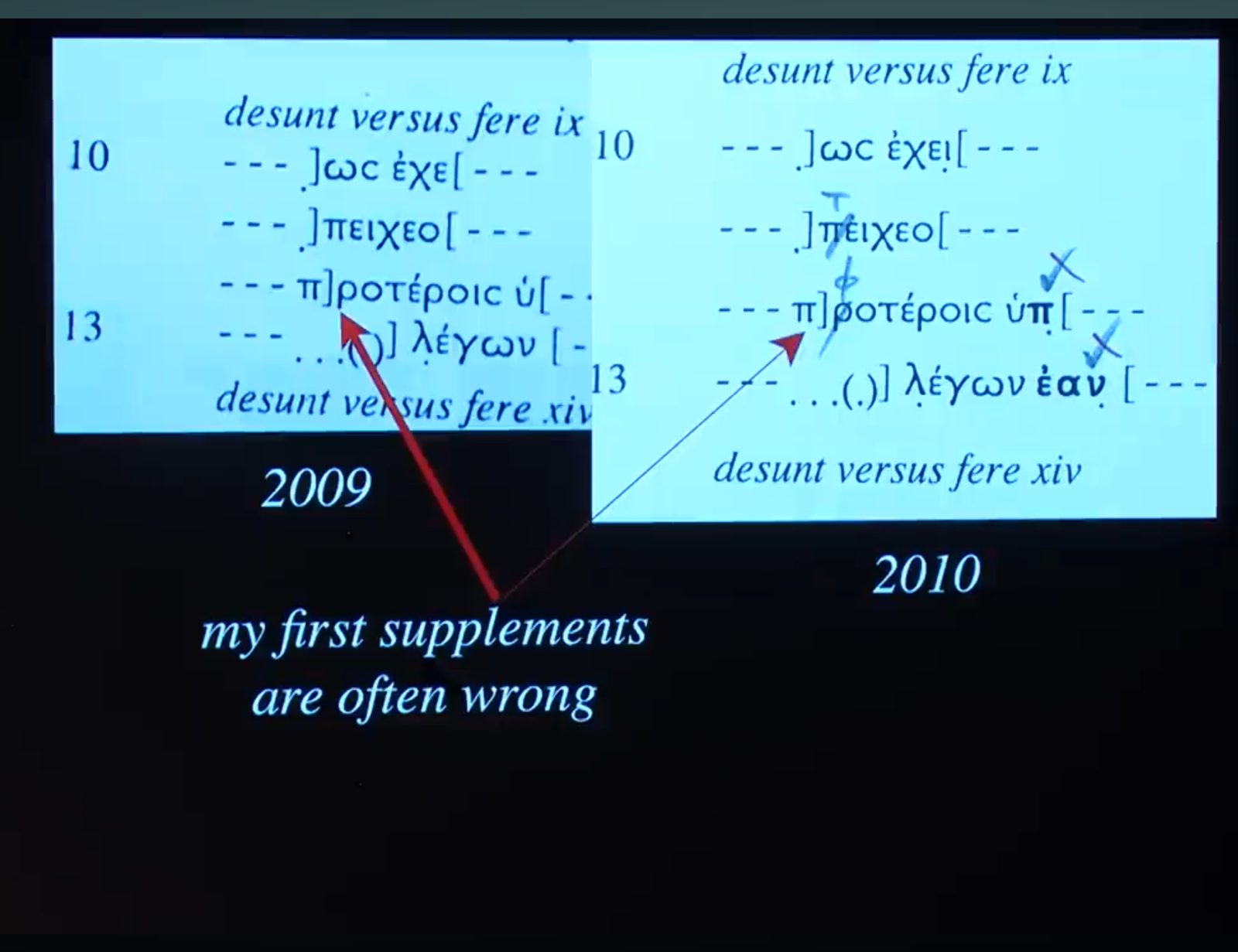
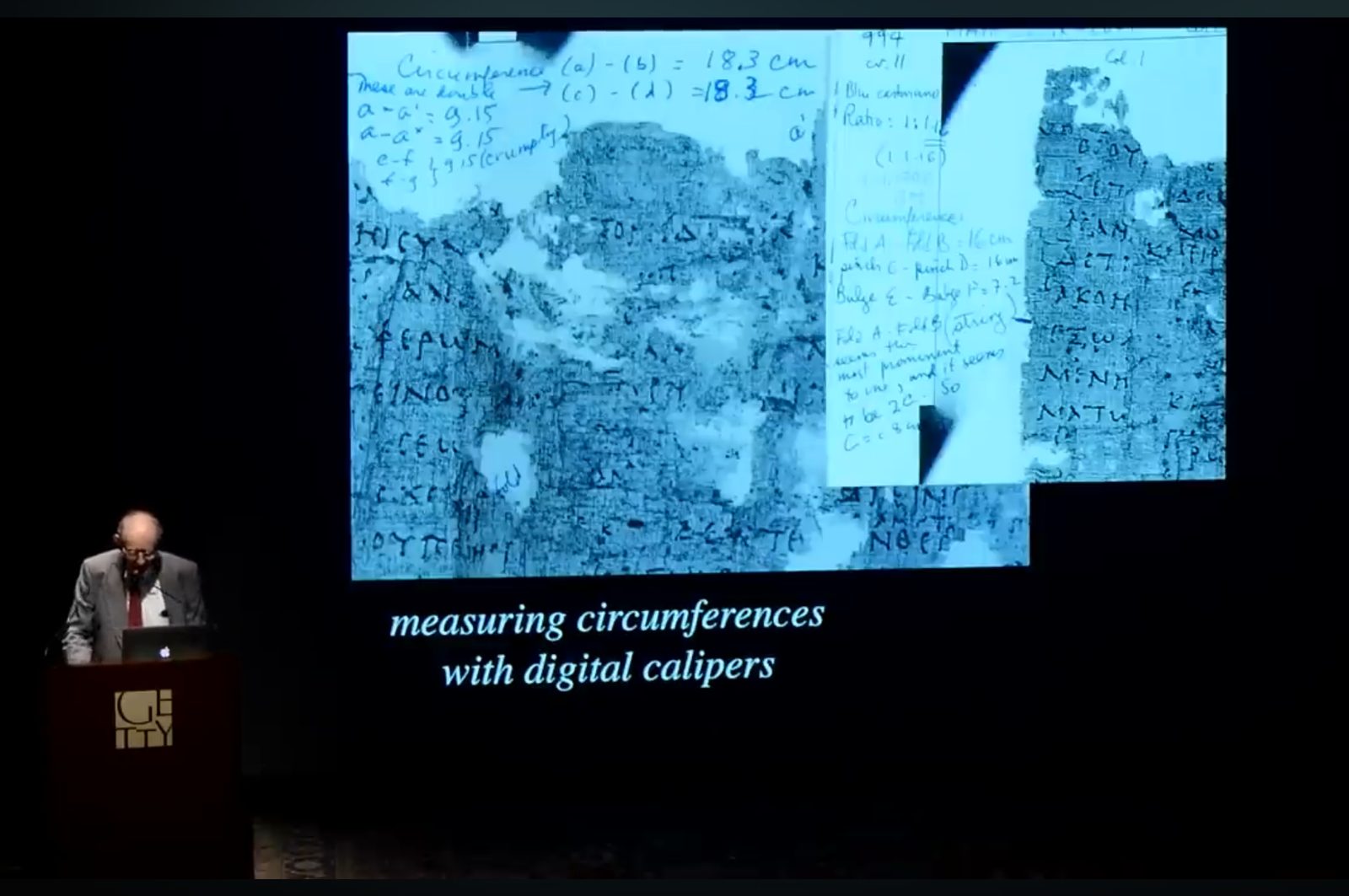
My first supplements are often wrong. A supplement is the papyrologist's best guess at the missing letters. He showed his 2009 guess next to his 2010 correction. I needed to see that. My notes from that summer swing between "I can't believe nobody has won this, it's right there" and "maybe they're just blank, I'm seeing letters everywhere". Apparently that's just what the job is like.
Calipers. He measured the curve of each opened fragment to work out how far round the roll it came from. Wider curve, further out. I'd been doing the same thing in Maya with a spiral script and a roll-length calculator, trying to work out how many times Scroll 1 wraps round itself.
Still at work in Naples
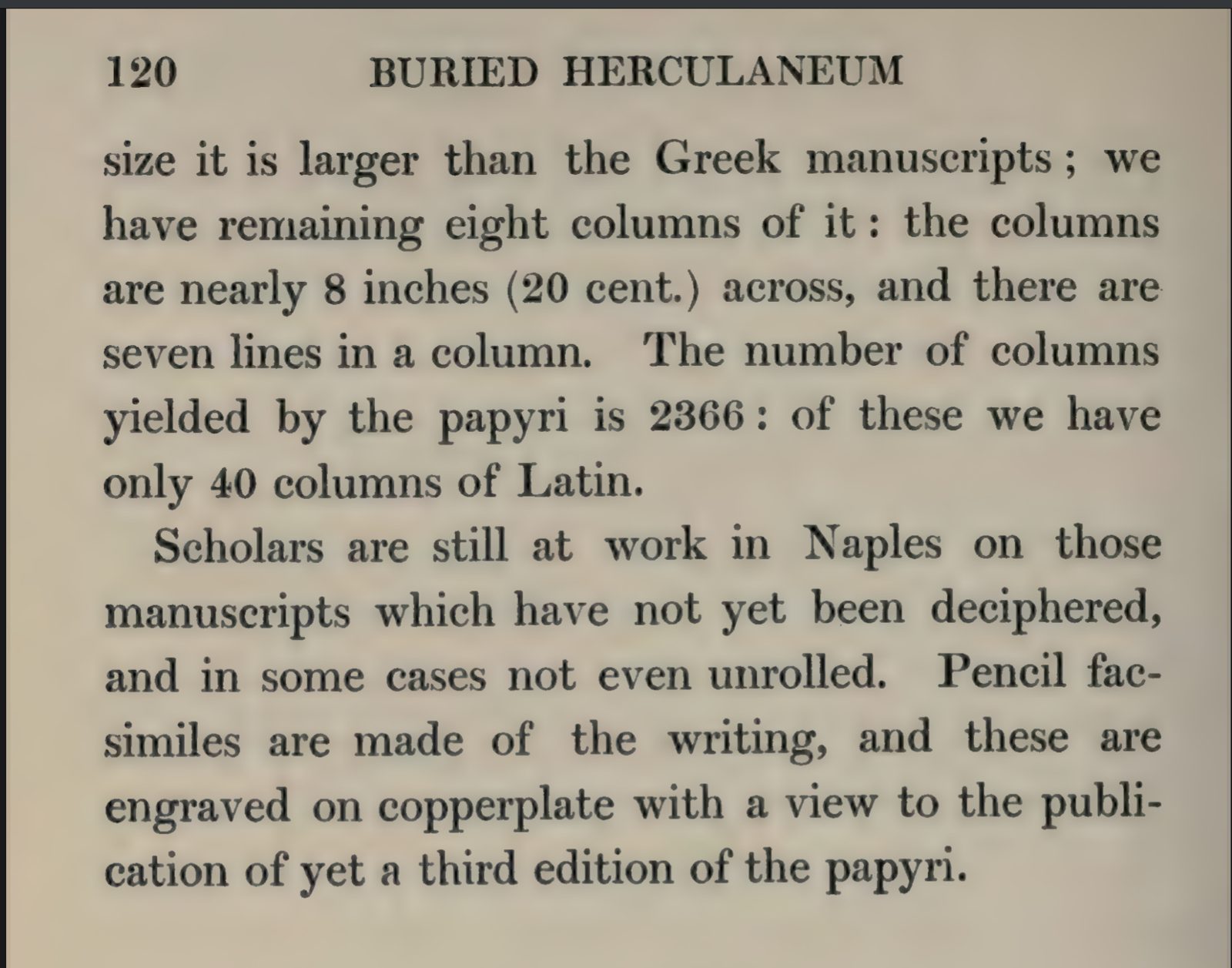
Scholars are still at work in Naples on those manuscripts which have not yet been deciphered, and in some cases not even unrolled.
That was 1908. Change "Naples" to "a Discord server" and it's still true.
The "third-rate" library keeps paying off, too. In 2024 a team in Pisa read new text in Philodemus's history of Plato's Academy, including where Plato is buried. I nearly scrolled past it, because Twitter was calling it clickbait. When I finally read it, it was everything I'd been wishing for: proper nouns, places, the nitty gritty.
My own notes had the answer to a question I asked about it. That history survives twice: once as a messy working draft (PHerc. 1021) and once as a neat final copy (PHerc. 164). I'd noticed the fragments looked like they were in completely different handwriting, and wondered if Philodemus changed styles. It was a draft and a fair copy. Even in 79 AD, people kept their drafts.
So here's what I learned. Every problem I hit in that volume, someone had already hit, usually with a pencil. Holes that look like ink. Layers stuck together. Guesses that turn out wrong. Titles hiding at the end. The tools are new. The squinting isn't.
We're not the first people to try to read these. We're just the latest first labourers.